If you’ve been searching for lower back pain treatment Calhoun GA residents can rely on, you’re probably weighing your options — and hoping to avoid jumping straight to strong medications or surgery. That’s a reasonable instinct. For most people with everyday low back pain, gentle, non-surgical, drug-free care is a sensible first step worth exploring. This guide walks through the non-surgical options available right here in Calhoun, how they work, what to expect, and how to decide whether they’re a good fit for you.
We’ll cover what causes lower back pain, the symptoms worth watching, how non-surgical care like spinal decompression and chiropractic adjustments may help, how these options compare to opioids and surgery, what treatment might cost, and when it’s time to be seen. Knowing your choices makes the decision easier.
Why Lower Back Pain Deserves a Careful Approach
Your lower back — the lumbar region — supports much of your body’s weight and is involved in almost every movement you make: bending, lifting, twisting, sitting, and standing. Because it works so hard, it’s one of the most common places to feel pain. Most people will deal with lower back pain at some point in their lives.
The discomfort ranges from a dull, nagging ache to sharp pain that limits movement. Some cases ease on their own within days. Others linger or keep returning — and that’s usually the point where people start looking seriously for treatment, and where the question of “how aggressive should care be?” comes up.
Acute vs. Chronic Lower Back Pain
Knowing which type you have helps shape a sensible plan:
- Acute pain comes on suddenly and usually lasts a few days to a few weeks. It’s often tied to a specific event, like lifting something heavy or an awkward twist.
- Subacute pain lasts roughly four to twelve weeks.
- Chronic pain sticks around for twelve weeks or longer, even after the original injury seems to have healed. Chronic pain often has more than one cause and may need a longer, more consistent plan.
A chiropractor can help identify which category your pain falls into, which influences the kind of care that may suit you.
Common Causes of Lower Back Pain
Lower back pain can come from several sources, and sometimes more than one at once. Common causes include:
- Muscle or ligament strain from lifting, twisting, or overuse — one of the most frequent causes.
- Poor posture from long hours at a desk, in a vehicle, or hunched over a phone.
- Disc problems, where the soft cushions between your spine’s bones (vertebrae) bulge or herniate and press on nearby nerves.
- Sciatica — nerve pain that travels from the lower back down through the buttock and leg, often caused by pressure on the sciatic nerve.
- Arthritis and age-related changes, which can gradually narrow the space around the spinal cord and nerves.
- Old injuries from sports, work, or a car accident that never fully healed.
Because the causes vary so widely, the right treatment depends on the individual. That’s why any responsible plan starts with a proper evaluation to find your specific problem before treatment begins.
Symptoms Worth Paying Attention To
Not all back pain feels the same, and the details matter. A chiropractor can evaluate symptoms like:
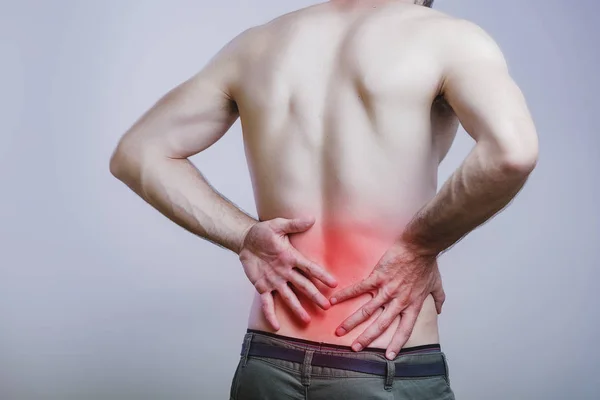
- A dull, constant ache in the lower back.
- Sharp or stabbing pain when you bend, lift, or stand.
- Stiffness in the morning or after sitting for a while.
- Pain that spreads into the hip, buttock, or down the leg.
- Tingling, numbness, or weakness in the legs or feet.
- Pain that eases when you change positions or lie down.
For general, plain-language background on the condition, the MedlinePlus guide to back pain is a helpful resource.
Warning Signs That Need Urgent Care
Most lower back pain is not an emergency. But some symptoms call for immediate medical attention rather than a routine appointment. Seek care right away if you have:
- Sudden, severe pain after a fall or accident.
- Loss of bladder or bowel control.
- Significant numbness or weakness in one or both legs.
- Pain with fever, unexplained weight loss, or feeling very unwell.
These are uncommon, but worth knowing so you can act quickly if they appear.
Why Start With Non-Surgical, Drug-Free Treatment?
When your back hurts, it’s natural to want fast relief — and sometimes that means reaching for pain medication or wondering about surgery. But for most cases of common low back pain, many clinical guidelines suggest trying conservative, non-drug approaches first, before escalating to stronger interventions — which is why so many people start their search for lower back pain treatment with the conservative options first. That’s not a hard rule for every situation, and it isn’t medical advice for your specific case — but it’s a widely shared starting point.
The appeal of non-surgical care is straightforward. It aims to address how your spine moves and functions, rather than only masking the discomfort. It’s drug-free, so it avoids the side effects and dependency risks that can come with some pain medications. And it’s non-invasive, with none of the recovery time, cost, or risk that surgery involves. For many people, it’s a lower-commitment way to find out whether their back can improve before considering anything more aggressive.
Importantly, choosing non-surgical care doesn’t mean ignoring your other providers. If you’re already on prescribed medication or under a doctor’s care, keep working with them — never stop a prescription on your own. Conservative care like chiropractic can often complement what your medical team is doing.
Non-Surgical Lower Back Pain Treatment Calhoun GA Patients Can Consider
Here are the main drug-free, non-surgical options a chiropractor may use or recommend, depending on what the evaluation finds. Treatment depends on the individual, and not every option is right for every person.
Chiropractic Adjustments
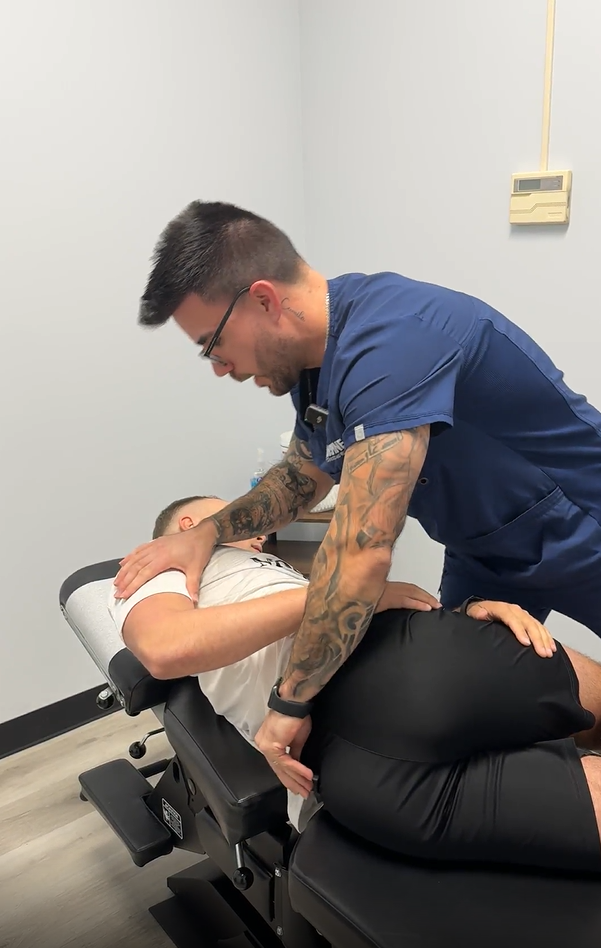
An adjustment is a controlled, targeted movement applied to a spinal joint to improve its alignment and motion. The idea is that when the spine moves and aligns better, the body is often better able to function and feel comfortable. Many people picture something dramatic, but a typical adjustment is quick and gentle. You may hear a popping or cracking sound — that’s simply gas releasing from the joint, similar to cracking your knuckles, and it isn’t a sign of anything breaking. Most patients describe the sensation as relief rather than pain.
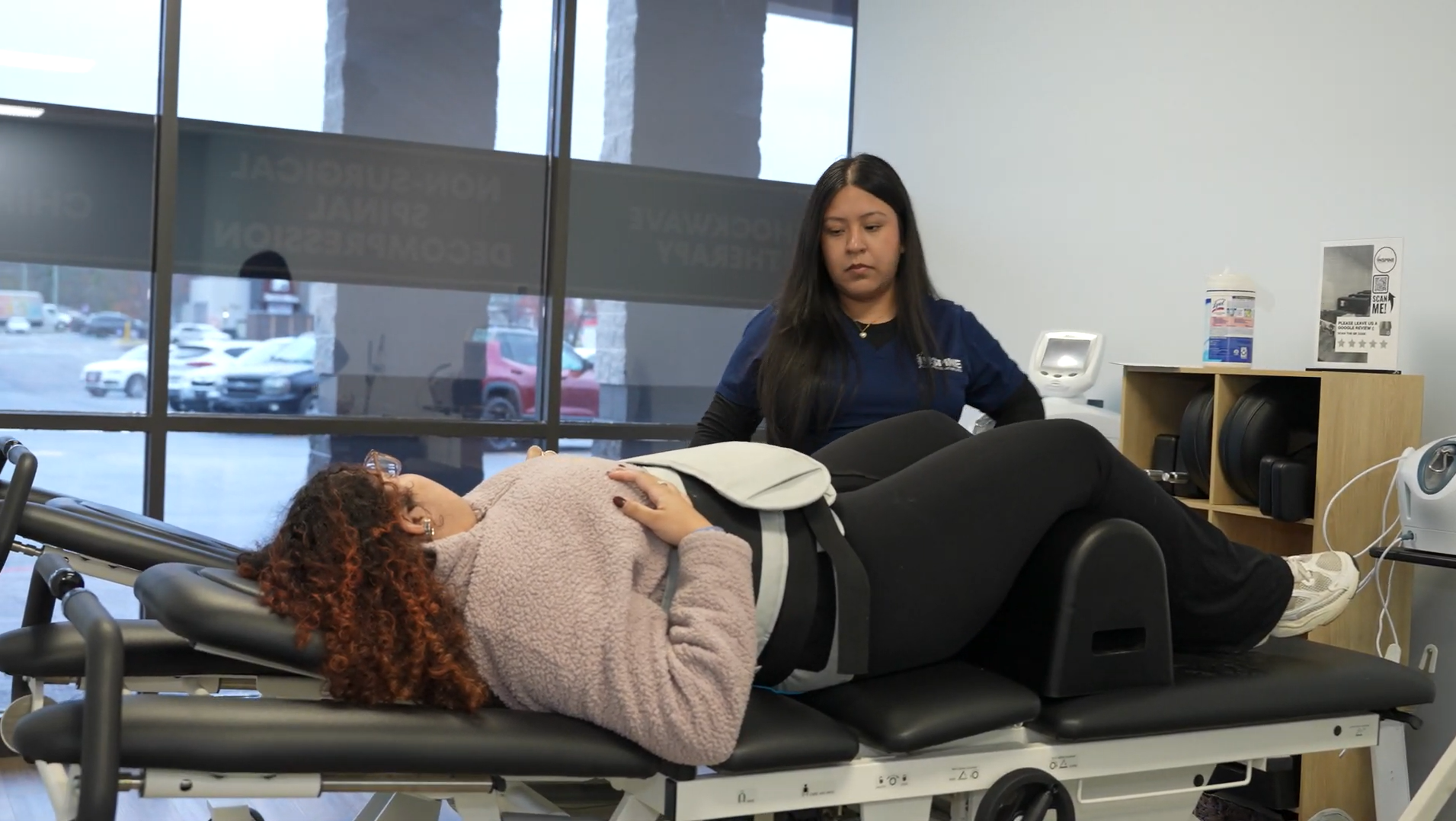
Spinal Decompression Therapy
Spinal decompression is a gentle, motorized form of traction that slowly and carefully stretches the spine. The goal is to take pressure off the discs and nerves, which may help with disc-related pain and sciatica in suitable cases. It’s typically a comfortable, passive treatment — you lie on a specialized table while the device does the work. A chiropractor can evaluate whether decompression is appropriate for your particular situation.
Supportive Therapies
Depending on your needs, care may also include approaches like shockwave therapy (which uses pulses of acoustic energy to stimulate tissue) or guidance on posture, movement, and simple exercises. These supportive methods are often combined with adjustments or decompression as part of a broader plan rather than used alone.
Movement and Lifestyle Guidance
Hands-on treatment is only part of the picture. A chiropractor can also offer practical guidance on posture, lifting, workspace setup, and gentle activity that may support your back between visits. Small daily habits often make a meaningful difference over time.
How These Options Compare to Opioids and Surgery
It helps to see the full landscape. None of these is automatically “best” — the right choice depends on your situation, and these approaches are sometimes used together under professional guidance.
- Rest and time: Mild strains may settle on their own. But too much bed rest can stiffen the back, so gentle movement is usually encouraged.
- Over-the-counter pain relievers: These may ease symptoms temporarily but don’t address the underlying cause.
- Prescription pain medication, including opioids: These can play a role in certain situations under a doctor’s supervision, but they carry side effects and dependency risks, which is part of why many guidelines favor trying non-drug options first for common low back pain.
- Non-surgical chiropractic care: A hands-on, drug-free, non-invasive approach focused on spinal movement and alignment. Often used as an early, conservative step.
- Injections or surgery: Generally reserved for more serious cases, specific diagnoses, or when conservative options haven’t helped. These are decisions made with a medical specialist.
A good chiropractor will be honest about when non-surgical care may help — and when another type of provider is the better choice. The goal isn’t to talk you out of necessary medical care; it’s to give the conservative options a fair try when that makes sense — and that’s the spirit behind lower back pain treatment in Calhoun.
What to Expect on Your First Visit
A first appointment is mostly about understanding your situation — not rushing into treatment. Here’s how it typically unfolds.
1. Paperwork and Health History
You’ll start with some forms about your health history, current symptoms, and any past injuries or surgeries. Arriving a little early helps you handle this without feeling rushed.
2. The Consultation
Next, you’ll talk with the chiropractor about when the pain began, what makes it better or worse, where it travels, and how it affects your sleep, work, and daily life. Small details often point to the cause.
3. The Physical Exam
The chiropractor performs a hands-on exam — checking how you move and bend, testing reflexes and muscle strength, and gently feeling for tender or tight areas. It’s not painful, and you can speak up anytime.
4. X-rays, If Needed
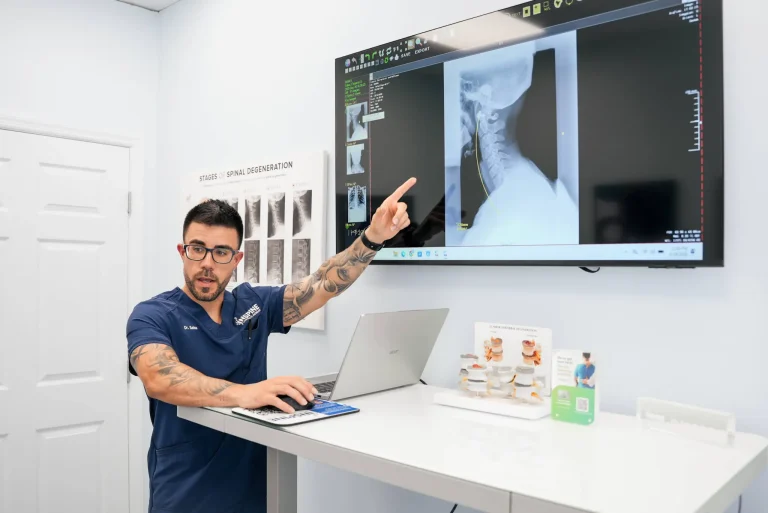
At Inspine Chiropractic, new patients can receive complimentary X-rays as part of the new-patient evaluation. Imaging gives a clearer look at your spine’s structure so care can be tailored to what’s actually going on. Not everyone needs imaging, and the chiropractor will explain why it’s recommended in your case.
5. Findings and Your Treatment Plan
After the exam, the chiropractor explains the findings in plain language and walks through your options — which might include adjustments, spinal decompression, or other supportive approaches. You’ll understand the plan before anything begins.
6. Starting Care, If You’re Ready
If it’s appropriate and you feel comfortable, treatment may begin the same day. There’s no pressure — the goal is for you to feel informed and in control.
Is Non-Surgical Chiropractic Care Safe?
For most people with lower back pain, chiropractic care is considered a conservative, non-surgical, drug-free option. A thorough exam — and imaging when appropriate — helps the chiropractor rule out conditions that wouldn’t be a good fit for adjustment or decompression. That’s one reason the evaluation matters so much.
This kind of care may not be right for everyone, including people with certain conditions like advanced osteoporosis, some types of nerve damage, or specific spinal issues. This is exactly why a chiropractor evaluates you carefully first and explains whether you’re a good candidate before beginning any treatment.
What Does Non-Surgical Treatment Cost?
Cost is one of the most common reasons people delay getting help, so it’s worth addressing directly. The price of lower back pain treatment can vary depending on the exam and which therapies are involved. The encouraging news for new patients at Inspine Chiropractic is that the new-patient consultation, exam, and X-rays are offered complimentary — which lowers the cost of simply finding out what’s going on and what your options are.
Many chiropractic offices also work with insurance, and coverage varies by plan. Because specifics differ from person to person, it’s best to ask directly when you book. (Confirm current pricing, offer details, and insurance specifics with the clinic before publishing or relying on them.)
When Should You Seek Treatment?
Consider booking an evaluation if your lower back pain:
- Has lasted more than a few days.
- Keeps returning even after it seems to improve.
- Limits your work, sleep, or favorite activities.
- Followed a fall, a heavy lift, or a car accident.
- Comes with tingling or numbness traveling into the leg.
You don’t have to wait until the pain is unbearable. Getting evaluated sooner often gives you more options — including the gentler, non-surgical ones — and more peace of mind. If those sound familiar, it may be time to look into lower back pain treatment Calhoun GA residents trust.
Caring for Your Back Between Visits
Good habits at home support the treatment you receive. These tips are gentle and widely recommended, but check with your chiropractor about what’s right for you:
- Move regularly. Avoid sitting in one position for hours. Stand, stretch, and walk throughout the day.
- Mind your posture. Keep your shoulders relaxed and your screen at eye level when working.
- Lift smart. Bend at the knees, keep the object close, and avoid twisting while lifting.
- Set up your workspace. A supportive chair and proper desk height can make a real difference.
- Stay active. Gentle activities like walking or stretching can help keep the back strong and mobile.
- Sleep supportively. A supportive mattress and a pillow that keeps your spine neutral can help.
Why Local Patients Choose Inspine in Calhoun
People across Calhoun and the surrounding Northwest Georgia area choose Inspine Chiropractic when they want lower back pain treatment Calhoun GA can count on — approachable, patient-focused care that starts with conservative options. The clinic offers bilingual (English/Spanish) service and was Voted Best of Georgia in 2024 and 2025. New patients can take advantage of a free consultation, exam, and X-rays, and same-day appointments are often available — so you can find out what’s behind your pain without a long wait.
If you’d like to learn more about what’s available close to home, here’s an overview of the non-surgical care options at the Calhoun clinic.
Frequently Asked Questions
Can chiropractic care really help me avoid surgery?
For many people with common low back pain, conservative options are worth trying before considering surgery, and many patients experience meaningful relief. Results vary from person to person, though, and a chiropractor can evaluate whether non-surgical care is a reasonable fit — or whether you’d be better served by another type of provider.
Is spinal decompression painful?
Most patients find it comfortable. Decompression is a gentle, slow stretch performed while you lie on a specialized table, and you can speak up at any point. Some people feel mild soreness afterward, similar to after light exercise, which usually fades quickly.
Should I stop my pain medication if I start chiropractic care?
No — never stop a prescribed medication on your own. Keep working with the doctor who prescribed it. Conservative care like chiropractic can often complement what your medical team is doing, and your providers can coordinate as needed.
Are the X-rays really free for new patients?
Yes. Inspine offers a complimentary consultation, exam, and X-rays for new patients. (Confirm current offer details before your appointment.)
How many visits will I need?
It depends on the individual, the cause of your pain, and how your body responds. Some people feel better quickly, while chronic issues may take a longer, more consistent plan. Your chiropractor will discuss what to expect after your evaluation.
Can I be seen the same day?
Same-day appointments are often available. Call ahead to check current openings.
What kinds of non-surgical lower back pain treatment does Inspine offer in Calhoun?
Depending on what your evaluation finds, options may include chiropractic adjustments, spinal decompression, and supportive therapies, along with guidance on movement and posture. A chiropractor will recommend what fits your situation after examining you.
Explore Non-Surgical Lower Back Pain Treatment in Calhoun
You don’t have to choose between living with the ache and jumping straight to strong medication or surgery. If you’ve been looking for lower back pain treatment Calhoun GA patients trust, Inspine Chiropractic makes the first step easy with a free new-patient consultation, exam, and X-rays — plus same-day booking when openings allow. Book online or call today, and let’s find out what’s behind your back pain so you can explore your gentler options.