Neck pain after a crash can feel minor at first, then hit hard the next morning. That is common with whiplash, and it catches a lot of Dalton drivers off guard.
If you were in a wreck and now feel sore, stiff, tired, or headachy, do not brush it off. Seeking immediate treatment for auto accident injuries is vital to prevent long-term complications, as a prompt medical evaluation can help rule out more serious damage and get you started on the right care.
Key Takeaways
- Don’t ignore delayed symptoms: Whiplash symptoms often manifest hours or days after a crash due to adrenaline masking the pain, so seek an evaluation even if you feel fine initially.
- Early evaluation is critical: A professional assessment helps rule out severe injuries, creates a necessary medical record, and facilitates a timely, personalized recovery plan.
- Consistency in care is key: Recovery often involves non-invasive methods like chiropractic care, physical therapy, and home exercises; following your specific treatment plan is essential to prevent long-term complications.
- Documentation matters: Keeping a detailed log of your symptoms and maintaining organized medical paperwork assists your healthcare providers in monitoring your progress and supports your clinical record.
What whiplash feels like, and why symptoms may show up later
Whiplash occurs when your neck snaps back and forth during a motor vehicle accident. This rapid hyperextension and hyperflexion of the neck can lead to serious soft tissue injuries in the cervical spine. Rear-end collisions are a common cause, but side-impact crashes and even lower-speed wrecks can cause this damage. The force can strain muscles, irritate joints, and stretch soft tissues in the neck and upper back.
A lot of people feel fine at the scene because adrenaline is high. Later, when that wears off, pain and stiffness move in. Symptoms may start within hours, or they may not show up for a day or two.
Neck pain that starts later still deserves attention. A delayed start does not mean the injury is minor.
These are some of the most common whiplash symptoms people notice after a car accident:
| Symptom | What it may feel like |
|---|---|
| Neck pain and stiffness | Trouble turning your head, pain when checking mirrors |
| Headaches | Often felt near the base of the skull |
| Shoulder pain and upper back tension | Tightness, soreness, or aching between the shoulders |
| Dizziness, fatigue, or joint pain | Feeling lightheaded, worn out, foggy, or localized soreness in cervical joints |
| Tingling or numbness | Pins and needles, often in the arms or hands |
You may also notice trouble sleeping or focusing. Some people feel pain when sitting at a desk, lifting groceries, or backing out of a parking spot. In Dalton, even a short drive on local roads can make reduced neck motion obvious.
Still, not every sore neck is simple whiplash. If you have severe pain, weakness, trouble walking, or numbness and tingling on both sides of the body, get medical help right away. Those symptoms need quicker attention.
When to seek whiplash treatment in Dalton, GA
If you are currently searching for whiplash treatment Dalton GA residents trust, the safest first move is getting checked soon after the crash. Same-day care is best when symptoms are strong. If the pain seems mild, a next-day evaluation is still a smart call, especially if you notice stiffness or recurring headaches.
When you visit a clinic, healthcare professionals will typically ask how the crash happened, where you hurt, and when the pain started. They will assess your neck movement, muscle tenderness, posture, reflexes, and nerve symptoms. In many cases, these providers may use diagnostic testing such as x-rays and MRIs to determine the full extent of your auto accident injuries and rule out fractures or other complications that require immediate attention.
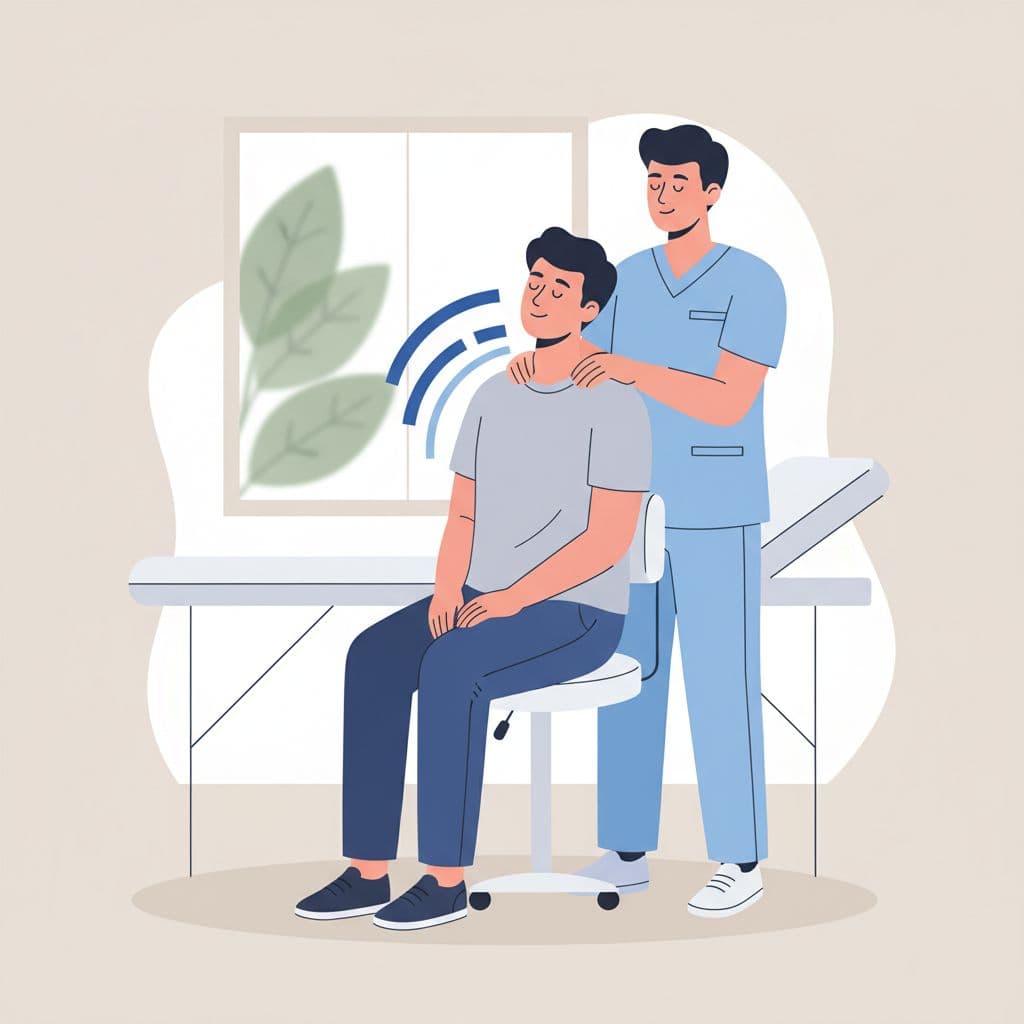
Early evaluation is essential for several reasons. First, it helps rule out injuries that should not wait. Second, it creates a clear clinical record of your symptoms. That documentation is vital for your personalized treatment plan, and it can also prove helpful if you need to explain your condition to an insurer or another professional later. Ultimately, seeking immediate treatment is the safest path forward for any motor vehicle accident victim.
Many people around Dalton try to sleep it off for a few days. While some symptoms do improve quickly, waiting too long can make recovery more frustrating if pain begins to affect your ability to work, drive, or sleep.
Whether your crash happened on I-75, on Walnut Avenue, or on a quiet side street, the next step remains the same. Get a proper exam, especially if your neck feels tighter each day or your headaches keep coming back.
Common treatment options after a car accident
Whiplash care typically begins with conservative, non-invasive treatment. For many patients, this involves a combination of rest, clinical pain relief recommendations, and the application of ice or heat. Gentle movement is also a vital component of recovery, as staying immobile for too long can increase neck stiffness.
Because every crash affects the body differently, providers create a personalized treatment plan tailored to your specific injuries. One patient may suffer from muscle tightness, while another experiences headaches, tingling in the arms, or restricted range of motion. To address these soft tissue injuries, a provider might combine manual therapy, targeted stretching, home exercises, and posture corrections.

For many, chiropractic care is an essential part of the recovery process. Through chiropractic adjustments and spinal manipulation, practitioners can help realign the cervical spine and reduce nerve irritation. Other effective options include massage therapy, which helps soothe damaged tissues and reduce inflammation. For some patients, a medical doctor may coordinate care and provide referrals for a more formal rehabilitation program. The key is matching the treatment to your unique symptoms, physical exam findings, and your body’s response over time.
Recovery time varies significantly. Minor whiplash often improves within a few days or weeks, though some cases may require several months of consistent care. A longer recovery timeline does not necessarily indicate a severe injury, but it does mean you should stay in touch with your provider to adjust your treatment plan as needed.
Physical therapy can be incredibly effective when motion remains limited or daily activities continue to trigger pain.
Try to judge your progress by your overall function rather than a single good day. If you can turn your head more easily, sleep comfortably, and drive with less pain, you are likely moving in the right direction. If symptoms linger, flare up frequently, or start spreading into your arms, schedule follow up care instead of guessing.
What to do in the days after the wreck
The first few days after a crash matter more than most people think. Besides getting evaluated, keep track of what your body is doing. Write down when whiplash symptoms started, what movements make them worse, and whether the pain affects your sleep, work, or driving.
A simple note on your phone can help. Record your pain level, headaches, dizziness, and any arm symptoms. Be sure to note specific issues like neck pain and stiffness, shoulder pain, and joint pain. These details are easy to forget later, especially when soreness changes from day to day. Tracking these specifics helps healthcare professionals monitor your progress and even keeps an eye on emotional trauma, which is a common but often overlooked factor following a motor vehicle accident.
It also helps to keep your paperwork in one place. Try to save:
- Visit summaries and diagnosis notes
- Imaging reports, if any were done
- Prescriptions, receipts, and therapy bills
- A daily symptom log
- Work notes or records of missed time
Those records make follow-up care easier. They also give you a cleaner picture of your recovery and help ensure you get the best results for your auto accident injuries.
Just as important, follow the treatment plan you were given. To support your ongoing pain relief strategy, continue with any recommended massage therapy or physical therapy sessions. If your provider suggests home exercises, do them as directed. If they ask you to return for a recheck, keep that appointment. Skipping care because you feel mostly better can slow progress, especially if pain returns once normal activity picks up again.
Georgia drivers often have questions about insurance and next steps after a collision. If you need advice about your own claim or legal rights, talk with a qualified Georgia attorney who can look at your specific situation.
Above all, listen to changes in your body. New headaches, rising stiffness, or fresh tingling a few days after the wreck are worth reporting. Quick follow-up can keep a manageable injury from becoming a longer, more disruptive problem.
Frequently Asked Questions
Why do my whiplash symptoms feel worse a few days after the accident?
It is common for symptoms to be delayed because adrenaline and shock often mask physical pain immediately following a crash. As the body begins to calm down and inflammation sets in, you may start to notice increased neck stiffness, headaches, or muscle soreness that wasn’t apparent at the scene.
How long does it take to recover from whiplash?
Recovery time varies for every individual depending on the severity of the soft tissue damage. While many people experience improvement within a few days or weeks, others may require several months of consistent care to fully regain their range of motion and comfort.
Do I need to see a doctor if I only have mild neck pain?
Yes, it is highly recommended to get evaluated by a professional regardless of pain intensity. A doctor can ensure there are no hidden fractures or serious spinal injuries and provide a proper diagnosis that establishes a necessary clinical record for your health and potential insurance claims.
What can I do at home to help with my recovery?
Following your provider’s specific treatment plan is the most important step, which may include applying ice or heat, performing prescribed stretching exercises, and practicing good posture. Additionally, keeping a daily log of your symptoms and avoiding activities that exacerbate your pain can help support the healing process.
Final thoughts
Whiplash often starts quietly, then becomes hard to ignore. That is why prompt care matters after a car accident in Dalton, even when the crash seemed minor.
In instances involving persistent discomfort or chronic pain management, specialists may discuss advanced options such as nerve blocks, a spinal cord stimulator, or radiofrequency ablation to help you regain your quality of life. For most, a steady recovery involves consistent chiropractic care and a personalized rehabilitation plan.
A calm response usually works best. Get evaluated, follow your treatment plan, track your symptoms, and keep your records together. Those simple steps can make recovery clearer, steadier, and less stressful. Many clinics offer a free consultation for those seeking whiplash treatment Dalton GA to ensure they get the right medical attention and support as quickly as possible.