A sore jaw after a crash can seem small at first. Then you may notice difficulty chewing, your bite feels strange, and a headache settles near your ear.
If you are dealing with jaw pain car accident symptoms in Calhoun, do not brush them off. The problem may stem from the jaw joint, the neck, the teeth, or muscles that tightened at the moment of impact.
Early care matters because a mild strain can quickly develop into a chronic TMJ injury. Identifying these symptoms early helps prevent long-term complications and ensures you get the treatment you need to recover fully.
Key Takeaways
- Jaw pain is often linked to whiplash: Even without a direct hit to the face, the force of a collision can strain the neck and jaw muscles, leading to TMJ irritation or internal joint issues.
- Early assessment is critical: Symptoms like clicking, locking, or changes in your bite can escalate into chronic conditions if left untreated; seeking evaluation soon helps prevent long-term complications.
- Watch for serious warning signs: Symptoms such as facial swelling, shifting of the jaw, an inability to open your mouth, or broken teeth require same-day medical attention to rule out fractures.
- Documentation supports your recovery and claims: Keeping a detailed record of your pain, medical visits, and out-of-pocket expenses is vital for both your health and potential personal injury claims.
Why jaw pain shows up after a car crash in Calhoun
Most people expect a neck injury or back pain after a wreck. Jaw pain catches them off guard, even though the jaw and neck move as a connected system.
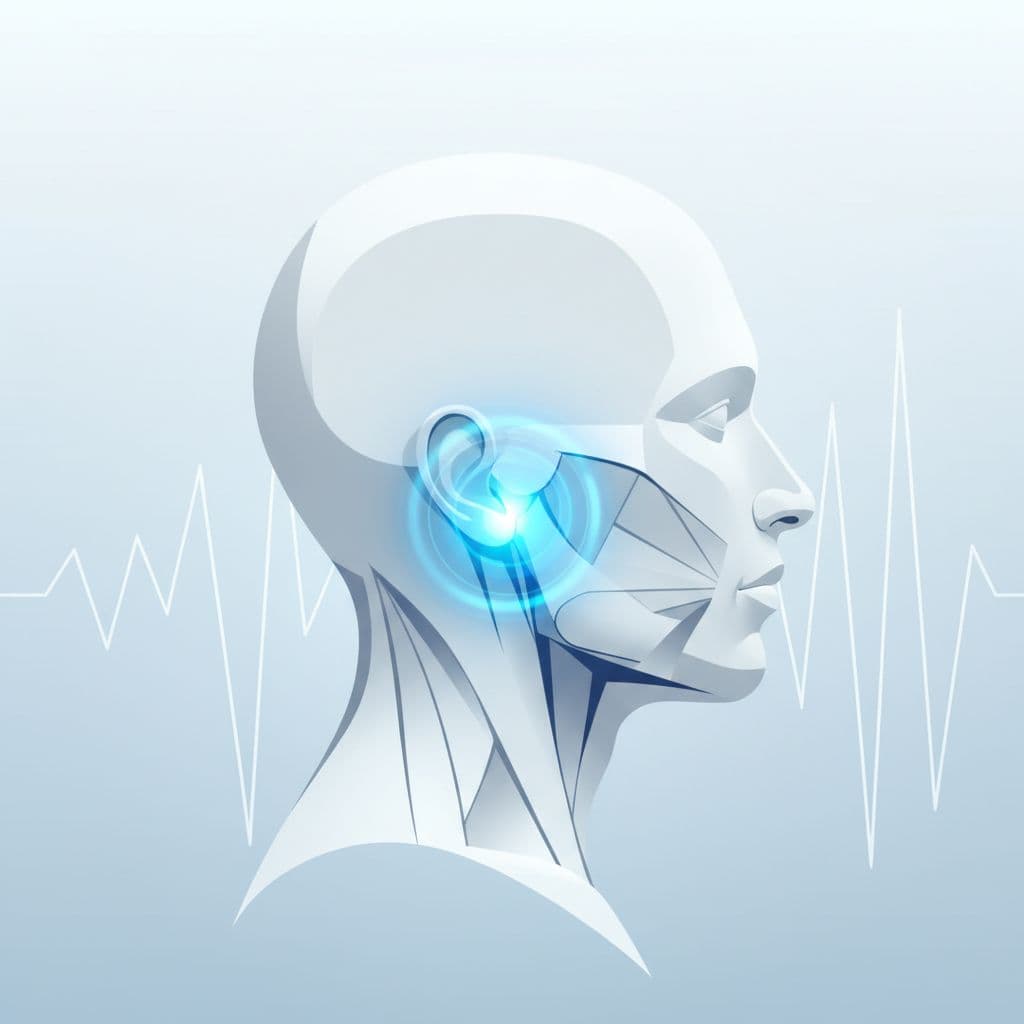
In many crashes, such as a rear-end collision, the force snaps the head forward and back. That motion can strain the muscles that help open and close the mouth. It can also irritate the temporomandibular joint, often called the TMJ, which sits just in front of each ear. This intense force can sometimes lead to an internal derangement of the articular disc within the joint.
A direct hit can make things worse. An airbag, steering wheel, seat belt force, or even your own clenched teeth can bruise the jaw, damage a tooth, or inflame the joint. Sometimes people grind down hard at impact without realizing it.
Jaw pain after a wreck often starts with whiplash, even when the jaw never hit anything.
That link matters because the source of pain is not always obvious. Your jaw may hurt because the neck is stiff, the bite has changed, or the joint is inflamed. In some cases, the pain comes from facial bruising, a dental injury, or a small fracture.
The timing can also throw people off. Pain may show up right away, or it may take hours to build after adrenaline wears off. That happens in low-speed crashes too, whether the collision happened on I-75, Highway 53, or a side street in Calhoun.
So while jaw pain might feel like a minor side issue, it can point to a larger injury pattern. That is why it deserves the same attention as neck pain or headaches.
Symptoms that can signal TMJ trouble or a facial injury
Car accident jaw pain does not look the same for everyone. One person experiences a dull ache when chewing. Another notices jaw clicking near the ear. Someone else deals with persistent headaches, a tight face, or pain that spreads into the temple and neck.
These signs often point in different directions:
| Symptom | What it may suggest | How soon to get checked |
|---|---|---|
| Pain when chewing or talking | Muscle strain, TMJ irritation | Within a day or two |
| Clicking, popping, or grinding | Joint irritation or bite change | Soon, especially if new after the crash |
| Headaches near the temples or ears | TMJ stress, whiplash, muscle tension | Soon |
| Locking of the jaw | Joint inflammation, spasm, dislocation | Same day if severe |
| Loose teeth, numbness, or facial swelling | Dental trauma or fracture | Right away |
The main point is simple: pain near the jaw after a crash can come from more than one structure, so the pattern matters.
Other symptoms can seem unrelated at first. Ear pain, tinnitus, dizziness, facial tenderness, or a feeling that your teeth no longer meet right can all trace back to the jaw and neck. Some people wake up the next morning feeling like they slept with their teeth clenched all night, except the problem began with the accident.
Signs that call for same-day care
Some symptoms need prompt medical attention because they may signal a fracture, dislocation, or another serious injury.
- Your jaw looks uneven, shifts to one side, or experiences rapid facial swelling.
- You cannot open your mouth normally, or it locks.
- You have broken teeth, loose teeth, or bleeding in the mouth.
- Your bite suddenly feels far off and will not settle.
- You also have concussion signs, trouble swallowing, or trouble breathing.
Even if the crash seemed minor, those symptoms are not minor. Fast evaluation can rule out a fracture and help you avoid more damage from chewing or clenching through the pain.
Getting the right care for jaw pain after a car accident
Effective medical treatment starts with a careful exam, not guesswork. A provider should look at how wide you can open, where the pain sits, whether the jaw tracks evenly, and how the neck moves. They should also ask about headaches, ear symptoms, tooth pain, and any facial numbness.

That full picture matters because jaw pain after a car accident is often part of a chain reaction. The neck gets stiff, the muscles guard, the jaw works harder, and then everyday things like chewing a sandwich feel like work.
Diagnostic imaging may be needed, depending on your symptoms. A provider may recommend X-rays for facial or dental injury. A CT scan may be used when a fracture is a concern. In some cases, an MRI helps show soft tissue and disc problems inside the joint.
Care often includes a few simple steps at first. Following a soft food diet can give the joint a short break. Ice may help in the first day or two, while later heat may help tight muscles. Some people also need temporary changes in how they sleep or hold their jaw at rest, and a dentist may prescribe a mouth guard or bite splint to protect the teeth and stabilize the joint.
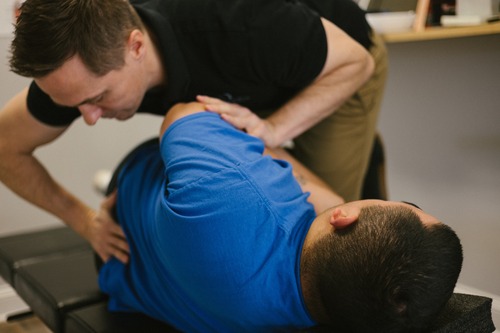
A chiropractor who treats auto injuries may help when the neck, posture, and muscle tension are feeding the pain. Gentle treatment, along with physical therapy and potentially muscle relaxants, can improve motion in the neck and reduce the guarding associated with jaw sprain and strain. That can be useful when TMJ symptoms grew out of whiplash rather than a direct fracture.
At the same time, some patients need a dentist, oral surgeon, or another specialist. That is common when the bite changed, a tooth cracked, or a fracture is possible. Good care often means looking at the neck and jaw together, then referring out when needed.
Recovery can be quick for mild strains. Still, some people deal with symptoms for weeks if they wait too long. If your jaw hurts, clicks, or feels off after a Calhoun crash, an early evaluation gives you a clearer path forward.
When records and legal help start to matter
Jaw injuries can create real costs, even when no one sees a cast or brace. You may face lost wages because talking hurts, find yourself limited to soft foods for days, or rack up significant bills for imaging, dental care, and follow-up visits. When these factors combine, they often become critical components of your personal injury claim, highlighting both the financial strain and the pain and suffering caused by the accident.
Because symptoms often show up later, good records matter. Insurance companies may question treatment if you waited weeks or never mentioned the jaw at your first visit. A simple paper trail can make a big difference in verifying your case.
A few habits help:
- Write down when the jaw pain started and what makes it worse.
- Save all medical documentation from urgent care, chiropractic visits, dental exams, and imaging.
- Take photos of swelling, bruising, or mouth injuries if you have them.
- Keep notes on missed work, trouble eating, headaches, and sleep problems.
Legal guidance may help when the crash was not your fault and the injury affects your daily life. An experienced car accident lawyer can be a vital resource for navigating complex insurance issues, such as filing for No-Fault benefits or dealing with adjusters who dispute the connection between the wreck and your jaw issues. Seeking professional advice is also recommended if the insurer pushes for a fast settlement, disputes your need for ongoing care, or if fault remains contested.
You do not need a lawyer for every sore jaw. Still, when pain lasts, bills rise, or the claim becomes complicated, getting advice early can help you protect the facts while you focus on healing.
Frequently Asked Questions
Why does my jaw hurt if I didn’t hit it during the crash?
Jaw pain following a collision is often a secondary effect of whiplash. The intense force that snaps your head forward and backward can strain the muscles connected to the jaw and cause stress or inflammation in the temporomandibular joint (TMJ).
How soon should I see a doctor for jaw pain after a car accident?
You should seek an evaluation as soon as you notice discomfort, especially if you experience clicking, popping, or difficulty chewing. If your jaw becomes locked, you have facial swelling, or your bite feels drastically different, you should seek medical care on the same day as the accident.
Is jaw pain after an accident considered a serious injury?
While some cases involve minor muscle strains that resolve quickly, others indicate TMJ dysfunction, internal joint damage, or dental trauma. Because these injuries can lead to chronic headaches and long-term functional issues, it is important to treat them with the same seriousness as neck or back pain.
Can a chiropractor help with post-accident jaw pain?
Yes, a chiropractor who specializes in auto injuries can address the link between neck tension and jaw pain. They may provide gentle adjustments, muscle therapy, and postural guidance to alleviate the strain that often contributes to TMJ symptoms.
Conclusion
A sore jaw after a crash is easy to dismiss, but it can point to a TMJ injury, whiplash, dental trauma, or a more serious neck injury. By seeking a professional evaluation for your temporomandibular joint, you can address these issues before they develop into chronic TMJ pain. The strongest step is to get your jaw and neck checked before the pain settles into a long-term problem.
If chewing hurts, your bite feels different, or headaches keep showing up, do not wait for the symptoms to pass on their own. In Calhoun, early medical treatment can protect your comfort, your records, and your path to a full recovery.